June 2, 2026
Maintaining a beautiful and safe landscape is a source of pride for any homeowner. The towering oaks, graceful maples, or flowering dogwoods on your property contribute to its value, provide essential shade, and support local wildlife. However, owning trees comes with a significant responsibility. Large plants require consistent care to ensure they do not become a hazard to your home or power lines. When the canopy becomes too dense or branches begin to loom over the roof, it is time to seek professional assistance. Finding a qualified partner for this task is essential, as improper techniques can lead to permanent damage or the death of a beloved specimen.
Engaging in the selection process requires more than just looking for the lowest price. Because the work involves heavy machinery, climbing at great heights, and the potential for falling debris, the risks are high. You need to be certain that the team you hire is skilled, insured, and committed to the biological health of your greenery. Before you commit to a contract, you must prepare a list of inquiries to vet your potential contractor. According to IBIS World, there are roughly 144,000 tree trimming and removal service businesses operating in the United States. With so many options available, asking the right questions is the only way to separate the true arboricultural experts from the amateurs who might cause more harm than good.
Verifying Professional Credentials
The first step in any screening process involves confirming that the business is legitimate and protected against the unexpected. You should always begin by asking if the company carries comprehensive liability insurance and workers’ compensation. This is not a matter to take lightly; if an uninsured worker is injured on your property, or if a branch falls through your attic, you could be held financially responsible. A reputable provider will be more than happy to provide current certificates showing their coverage.
Beyond insurance, you should inquire about their professional affiliations and certifications. Are there certified arborists on staff? An arborist is an individual who has studied the science of planting, caring for, and maintaining individual trees. Their presence ensures that the work performed is not just about aesthetics, but also about the long-term health of the plant. A team that understands the biology of different species will know exactly where to make a cut to promote healing rather than decay. This level of expertise is what distinguishes a high-quality tree trimming operation from a basic landscaping crew.
Evaluating Specific Techniques
Not all methods of cutting branches are equal. In fact, some common practices are actually detrimental to the plant. You should ask the contractor about the specific methods they intend to use. For instance, you should confirm that they do not use climbing spikes on trees that are being pruned. Spikes create small wounds in the trunk that can become entry points for pests and diseases. Professionals should use aerial lifts or specialized rope climbing techniques to reach the canopy without wounding the bark.
Furthermore, you should ask about their philosophy regarding "topping." Topping is the practice of cutting off the top of a tree to reduce its height, and it is widely condemned by arboricultural experts. It leads to weak new growth, starvation, and an unsightly appearance. A knowledgeable professional will explain why selective thinning or crown reduction is a much better approach for your landscape. By asking these technical questions, you can gauge whether the crew understands the modern standards of tree trimming or if they are using outdated, harmful practices.
Requesting Detailed Estimates
Financial clarity is a cornerstone of a good working relationship. You should never settle for a verbal quote given over the fence. Instead, ask for a written, itemized estimate that breaks down every aspect of the project. This document should clearly state the scope of the work, the expected timeline, and the final price. Having this in writing protects you from hidden fees or "scope creep" once the work has begun.
While reviewing the estimate, ask about the specifics of the cleanup process. Some companies provide a low initial price but leave the heavy logs and piles of brush on your lawn for you to deal with. You want to know if the price includes chipping the branches, hauling away the wood, and raking the area so that it looks as good as—or better than—it did before they arrived. Clarifying these details early prevents the frustration of a messy yard and ensures that the tree trimming project is a stress-free experience from start to finish.
Reviewing Safety Protocols
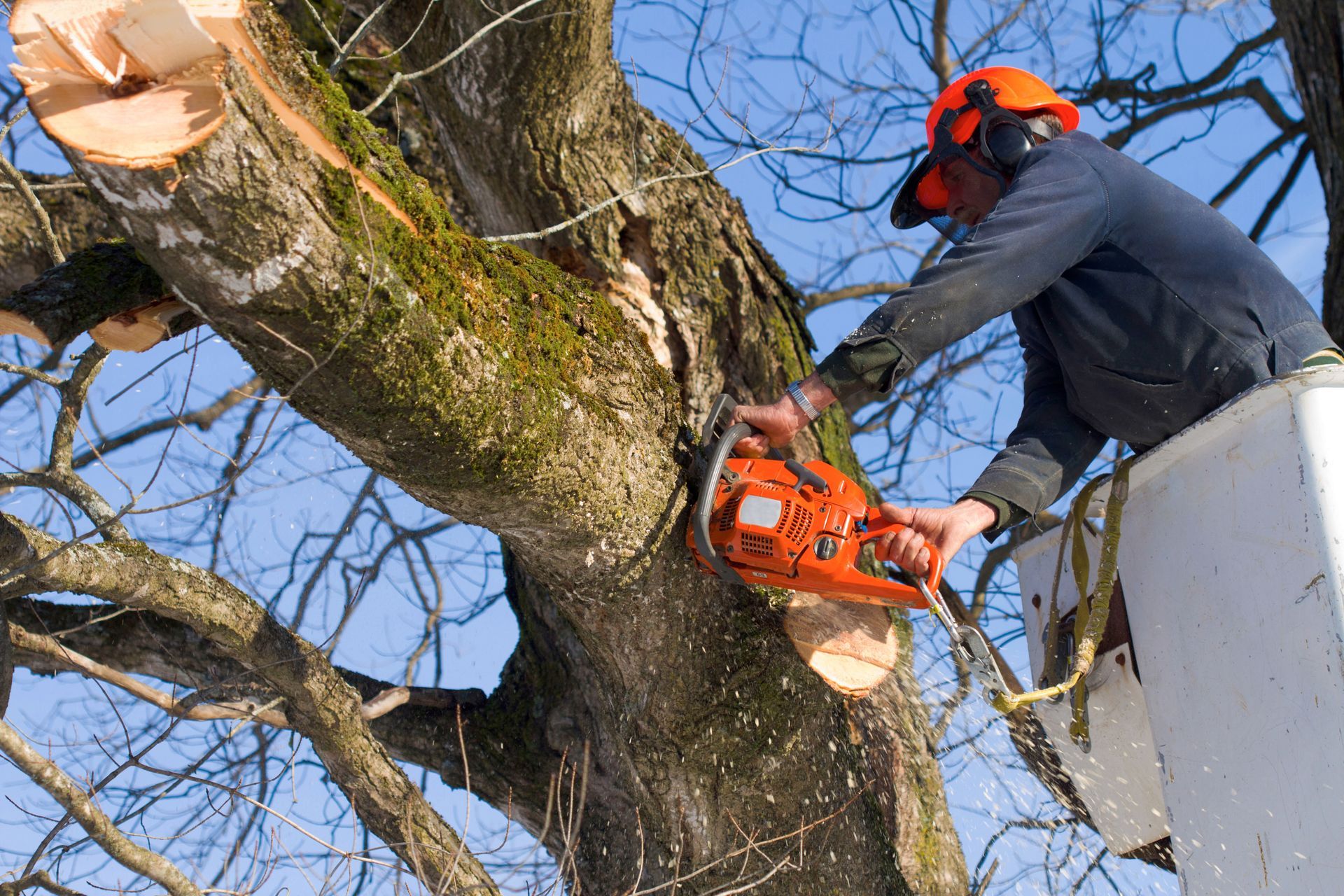
The safety of your family, your property, and the workers themselves should be the top priority. Ask the contractor what specific safety measures they implement during a job. Do they wear personal protective equipment like helmets, eye protection, and chainsaw chaps? How do they secure the work zone to prevent pedestrians or pets from walking under a falling limb? A company that takes safety seriously will have a clear, rehearsed protocol for every site.
You should also ask how they plan to protect your lawn and landscaping during the process. Heavy trucks and falling sections of wood can easily rut a soft yard or crush expensive ornamental shrubs. Ask if they use protective mats for their equipment or if they use rigging systems to lower large branches slowly and under control. Understanding their plan for "low-impact" work shows that they respect your entire property, not just the trees they are working on.
Seeking Local References
A long history of satisfied customers in your specific area is a strong indicator of a reliable business. Ask the provider for a list of recent references or addresses of completed projects nearby. Checking these references allows you to see the quality of their work firsthand and hear about the experiences of your neighbors. Were the workers punctual? Did they communicate well? Was the final bill consistent with the estimate?
In today's digital age, online reviews are also a valuable tool, but direct references are often more telling. A company that has been performing tree trimming in your community for many years likely has a reputation to uphold. If they are hesitant to provide references or if they have no local presence, it may be a sign that they lack the experience or the commitment to quality that your landscape deserves.
Scheduling Regular Maintenance
Finally, you should ask the contractor for their advice on a long-term care plan. Trees are living organisms that change with the seasons and age over the decades. A one-time visit might solve an immediate problem, but a proactive maintenance schedule is what truly preserves your property's value. Ask them how often your specific species should be inspected and pruned. Some trees benefit from winter pruning when they are dormant, while others might need attention after a spring growth spurt.
Taking the time to ask these vital questions ensures that you are hiring a partner who values your trees as much as you do. When you find a team that combines technical skill with a commitment to customer service and safety, you can rest easy knowing your canopy is in good hands. Your landscape is a living legacy that deserves the highest level of care and professional attention.
At Jose Martinez Tree Service, Inc, we pride ourselves on our transparency, our deep arboricultural knowledge, and our dedication to the communities we serve. We are here to answer every question and provide the expert care your property requires to thrive for generations to come.