August 3, 2026
Trees add beauty, shade, and value to residential and commercial properties, but they also require ongoing care to stay healthy and safe. Many property owners hear terms like pruning, trimming, and removal used interchangeably, even though each service serves a different purpose. Understanding these differences can help you make informed decisions about maintaining your landscape while protecting nearby structures and people.
Regular tree trimming and pruning improve the appearance and health of your trees, while removal addresses situations where a tree has become hazardous or can no longer thrive. According to a ConxPros consumer trends survey, 38% of homeowners considering tree services were specifically interested in tree trimming or pruning, highlighting how many people recognize the importance of routine maintenance. Knowing when each service is appropriate allows you to preserve mature trees whenever possible while addressing safety concerns before they become costly problems.
What Are the Key Differences Between Tree Pruning and Tree Trimming?
Although pruning and trimming share some similarities, they are performed with different goals in mind.
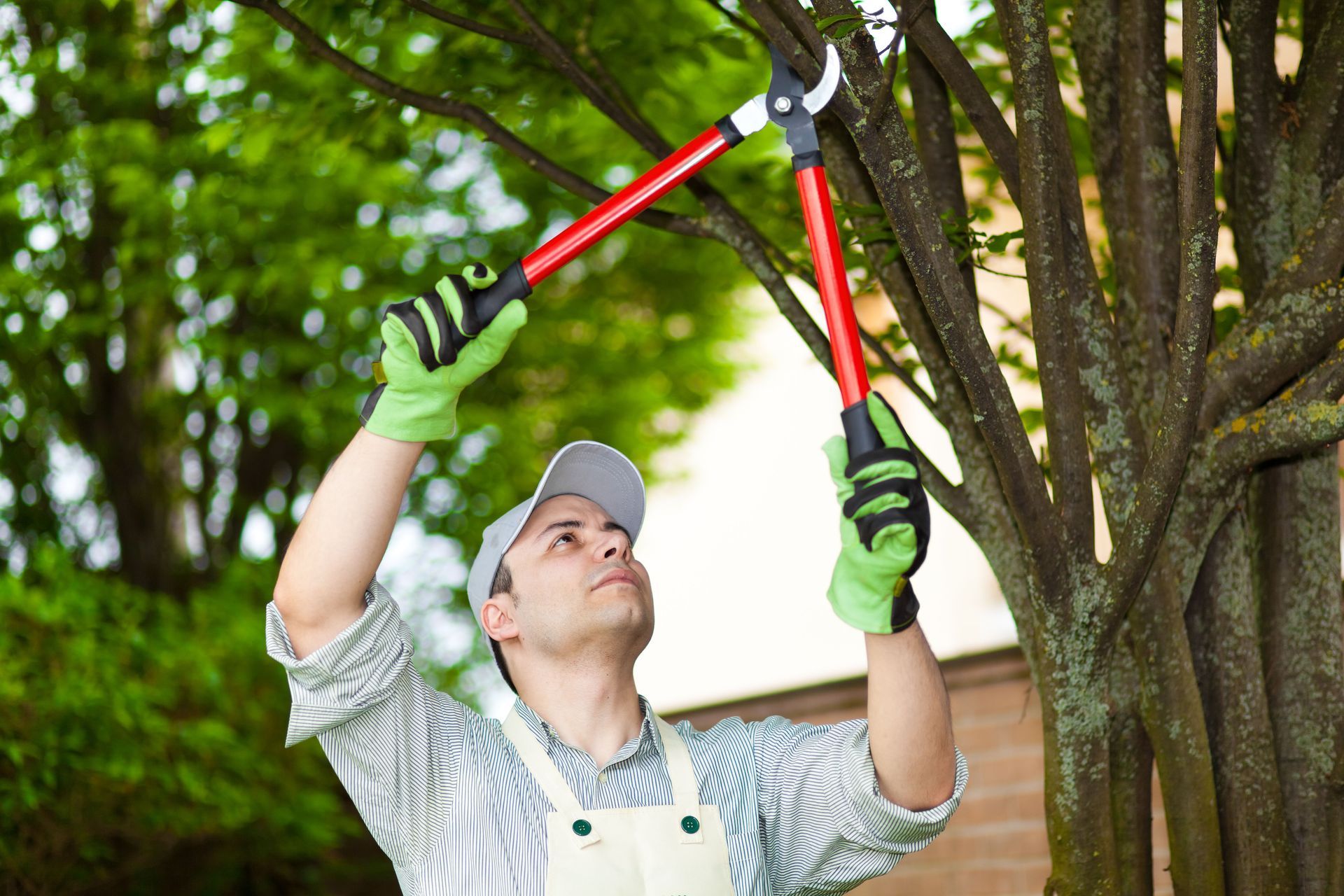
Tree pruning focuses primarily on the long-term health and structural integrity of a tree. During pruning, professionals remove dead, diseased, damaged, or crossing branches that may interfere with healthy growth. Proper pruning encourages stronger branch development, improves air circulation throughout the canopy, and helps reduce the spread of disease or insect infestations.
Tree trimming, on the other hand, is generally performed to improve a tree's appearance and maintain a neat, balanced shape. Overgrown branches can block walkways, extend over driveways, interfere with utility lines, or obstruct views. Routine tree trimming keeps branches under control while preserving the natural form of the tree.
Pruning also plays an important role in developing young trees. Removing weak or competing limbs early helps establish a sturdy framework that supports healthy growth for decades. Mature trees benefit from pruning by eliminating hazardous limbs that could fail during storms.
Meanwhile, tree trimming is often scheduled to maintain consistency across a landscape. Whether lining a driveway or surrounding a commercial property, regularly trimmed trees contribute to a polished appearance while reducing the risk of branches contacting buildings or other structures.
Both services complement one another, and many healthy trees benefit from receiving both pruning and tree trimming at different stages of their growth.
How Often Should I Perform Tree Trimming?
There is no universal schedule that applies to every tree. The ideal timing depends on the species, age, growth rate, location, and overall condition of each tree.
Many mature shade trees benefit from tree trimming every three to five years, while younger trees may require more frequent attention as they establish their structure. Fast-growing varieties often need trimming sooner than slow-growing species because they produce new growth more rapidly.
Trees located near homes, sidewalks, roads, or power lines should also be monitored regularly. Even if a complete trimming isn't necessary every year, annual inspections can identify branches that have become hazardous or are beginning to interfere with nearby structures.
Seasonal timing also matters. Many trees respond best when pruning or trimming occurs during dormancy in late winter or early spring before vigorous new growth begins. However, damaged or dangerous branches should be removed whenever they are discovered, regardless of the season.
Routine tree trimming offers several long-term benefits, including:
- Maintaining an attractive, balanced canopy
- Encouraging healthy growth
- Reducing the chance of broken limbs
- Improving sunlight penetration
- Enhancing airflow through the tree
- Minimizing interference with structures and utilities
By establishing a maintenance schedule, property owners can often prevent larger issues from developing later.
When Is Tree Removal Necessary?
While preserving healthy trees is generally the preferred option, some situations make removal the safest and most practical solution.
One of the most common reasons for removal is severe disease. Certain fungal infections, root diseases, or insect infestations can compromise a tree beyond recovery. If a tree has lost significant structural stability, removal may prevent future property damage or personal injury.
Storm damage is another common cause. High winds, lightning strikes, or heavy snow can split trunks, uproot root systems, or create major structural weaknesses. Although some damaged trees can recover with pruning and tree trimming, others become too unstable to save.
Dead trees also require prompt attention. Standing dead trees become increasingly brittle over time, making branches more likely to fall unexpectedly. As decay progresses, the entire tree may eventually collapse.
Additional situations that may require removal include:
- Extensive root damage
- Significant trunk decay
- Severe leaning after storms
- Construction projects that cannot accommodate existing trees
- Trees growing too close to foundations or utility infrastructure
An experienced arborist can evaluate whether corrective pruning, tree trimming, or complete removal represents the safest course of action.
What Are the Costs Associated With Tree Trimming and Removal?
The cost of tree services varies widely depending on several factors. Understanding what influences pricing helps homeowners budget appropriately for routine maintenance and unexpected situations.
Tree size is one of the biggest factors. Larger trees require more labor, specialized equipment, and longer working times than smaller ornamental trees.
Accessibility also affects pricing. Trees located behind fences, on steep slopes, or in confined spaces often require additional equipment or climbing techniques that increase labor costs.
The condition of the tree also matters. Healthy trees undergoing routine tree trimming generally require less work than storm-damaged or hazardous trees that demand careful dismantling.
Additional factors influencing cost include:
- Tree height and diameter
- Number of branches requiring removal
- Proximity to buildings or power lines
- Emergency service requests
- Stump grinding or debris removal
- Local labor rates
Tree removal typically costs more than routine maintenance because it involves additional planning, safety precautions, equipment, and cleanup.
Scheduling regular tree trimming can often reduce long-term expenses. Addressing overgrowth early helps prevent larger branches from becoming hazardous and may decrease the likelihood of emergency service after severe weather.
Can I Trim or Remove a Tree Myself, or Do I Need a Professional?
Many homeowners enjoy handling outdoor projects themselves, but tree work presents unique challenges that shouldn't be underestimated.
Small shrubs and young ornamental trees can often be maintained safely using basic pruning tools. However, larger trees introduce significant risks involving heights, heavy limbs, power equipment, and unpredictable branch movement.
Improper cutting techniques can permanently damage a tree's health. Over-pruning may stress the tree, encourage disease, or weaken future growth. Poorly placed cuts can create entry points for decay that shorten the tree's lifespan.
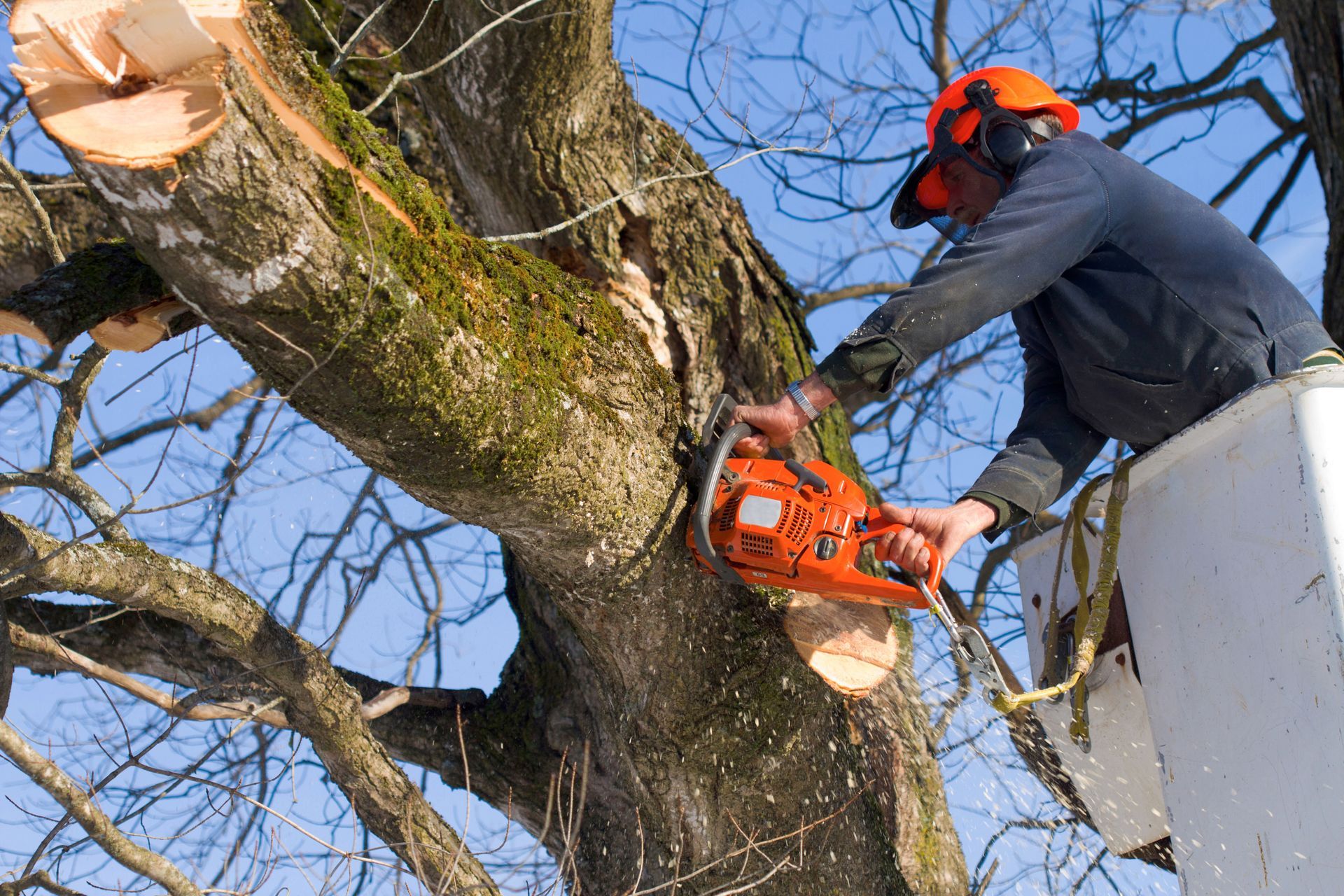
Tree trimming becomes considerably more dangerous when ladders, chainsaws, or overhead obstacles are involved. Falling branches can cause severe injuries or damage roofs, vehicles, fences, and utility lines.
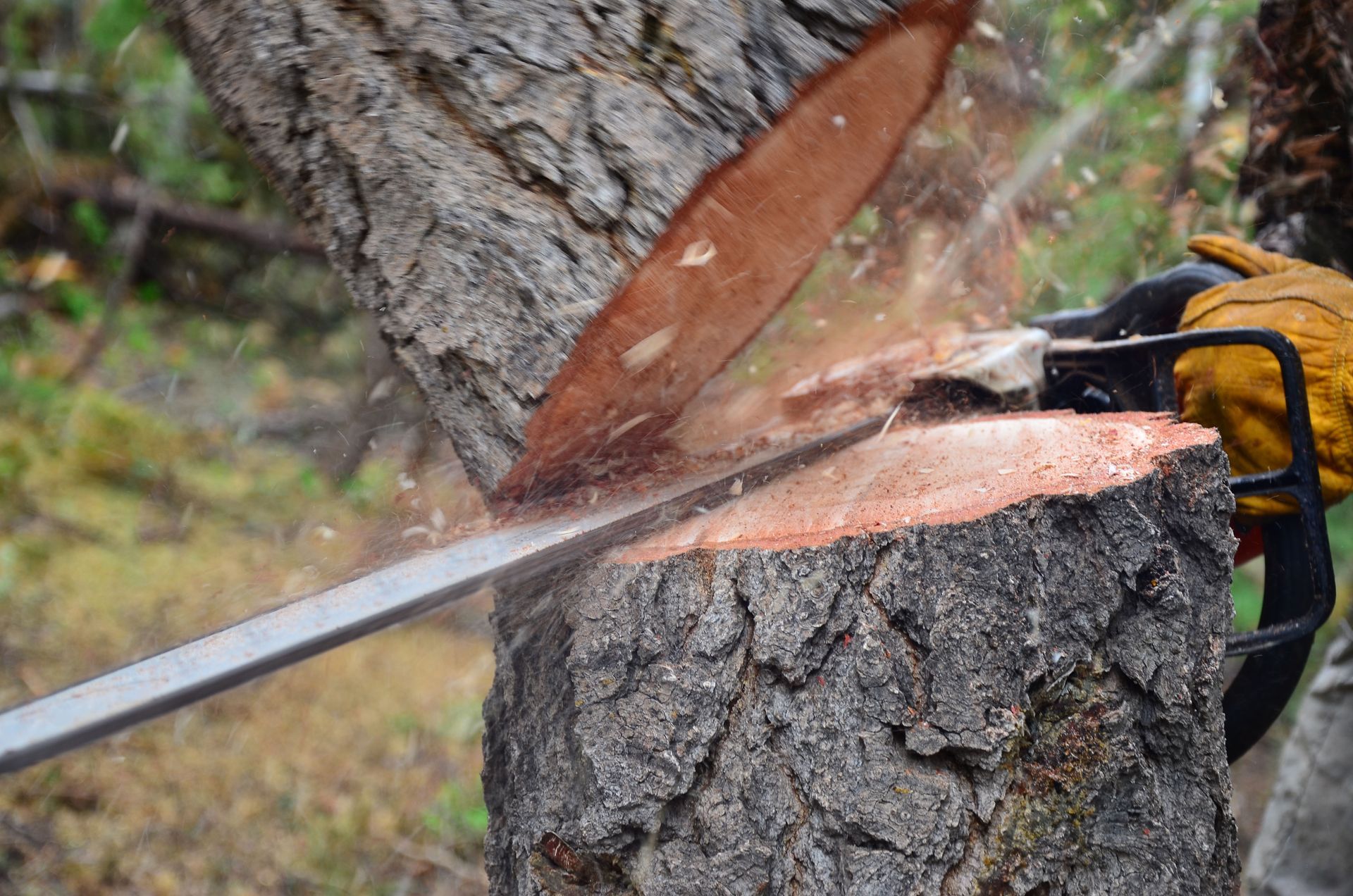
Tree removal presents even greater hazards. Determining how a tree will fall requires experience, proper equipment, and a thorough understanding of weight distribution and structural defects. Trees rarely behave exactly as expected once cutting begins.
Professional tree service companies bring specialized training, commercial-grade equipment, safety gear, and insurance that protect both workers and property owners. They also understand local regulations that may govern tree removal, especially for protected species or trees located near public rights-of-way.
Hiring a qualified professional often saves time while reducing the risk of costly mistakes. In many cases, professional tree trimming also helps preserve the long-term health of valuable landscape trees through proper cutting techniques that encourage continued growth.
Understanding the differences between pruning, trimming, and removal allows property owners to make better decisions about caring for their landscapes. Pruning supports a tree's long-term health and structural development, while
tree trimming improves appearance, manages growth, and helps reduce safety concerns. Tree removal becomes necessary only when a tree is dead, severely damaged, diseased, or poses an unacceptable risk.
Routine inspections and timely maintenance help maximize the lifespan of healthy trees while minimizing hazards around your home or business. By recognizing when each service is appropriate and consulting qualified professionals when needed, you can enjoy safer, healthier, and more attractive trees for years to come. If you're looking for experienced tree services, reach out to the team at Jose Martinez Tree Service, Inc today!